Watch the recordings & download the presentations

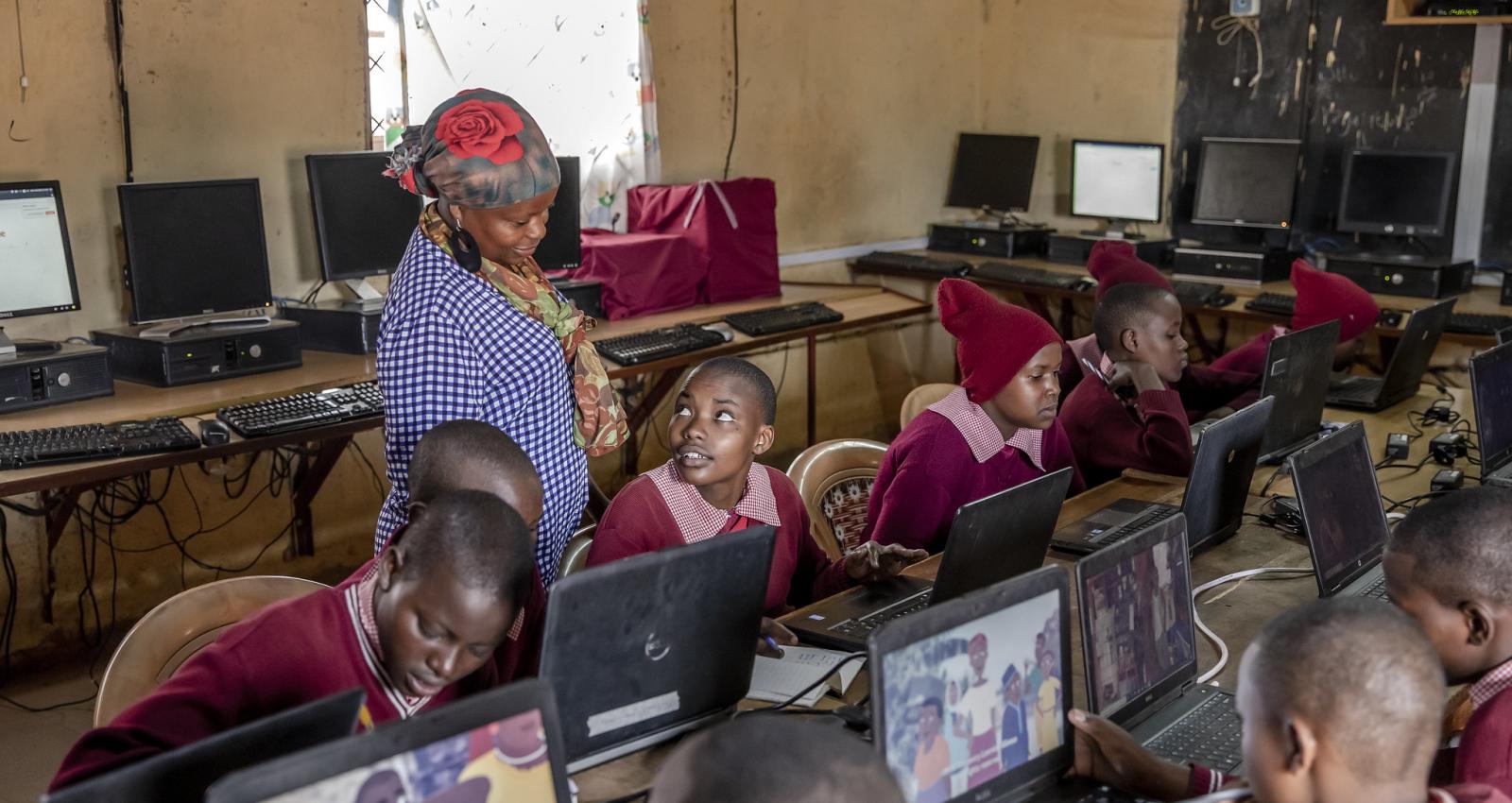
Digitalisation affects all areas of society and the economy, making access to online information essential for the universal right to information and lifelong learning. Yet, the rise of technology in education has underscored digital and educational inequalities between high- and low-income countries. How can we use technology to ensure inclusive, quality education for all, especially the most vulnerable and marginalised?

The Educaid.be International Conference 2024 seeks to deepen understanding of the complex relationship between technology and education. Join us for panel discussions, keynotes, and collaborative sessions to tackle digital inequalities, sustainability, and AI's role in education. Let's drive positive change together!

Plenary  session 10:00 – 12:30 AM (Brussels time)

We will start with a keynote address and the launch of the 2023 GEM Report in Belgium by Anna Cristina D’Addio. The report explores how technology can address educational challenges like access, equity, quality, and system management, while also recognising potential drawbacks.

Following the keynote, Mona Laroussi, Moïra V. Faul, and Tonee Ndungu will focus on the role of AI in the education and training sector. They will discuss both the opportunities, such as personalised learning and teacher training, as well as the challenges, including ethical concerns and the digital divide.

Parallel sessions 14:00 – 16:30 PM (Brussels time)

In the afternoon, two parallel break-out sessions will offer opportunities for a more in-depth exploration of specific challenges related to technology and education. Educaid.be members APEFE, VVOB - education for development, Enabel, EdukoMondo, Close the Gap, UNICEF, Afrodidact, and Handicap International Belgium and partners will share their best practices and lessons learned from cases in Rwanda, Lebanon, India, Cambodia, Sierra Leone, Gambia and more... We close the day with a plenary conclusion. 

PROGRAMME

09:30-10:00

Welcome with coffee and tea (only for in-person participants)

10:00-10:30

Welcome & Introduction

Ariane Molderez
Ariane Molderez
Overall moderator
(in-person)
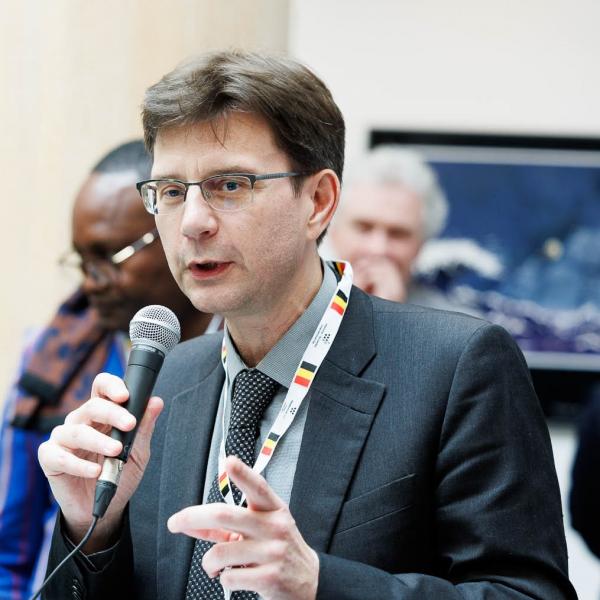
Jean Van Wetter
Introduction by the Managing Director of Enabel
Jean Van Wetter
(in-person)
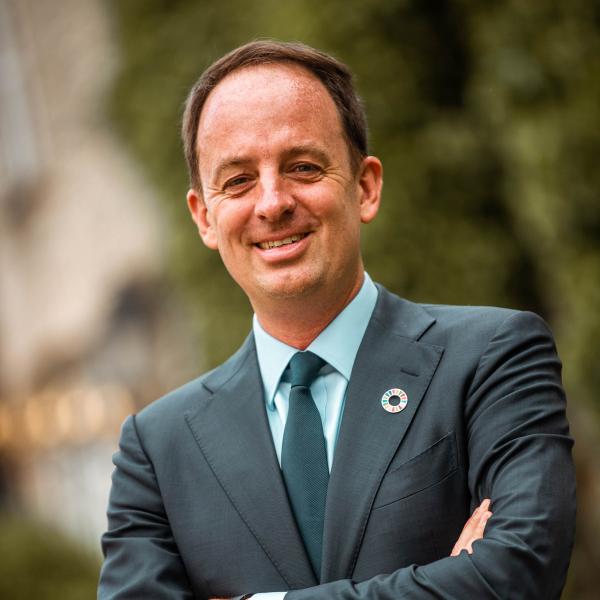
Benoit Stiévenart
Introduction by the General Director of APEFE
Benoît Stiévenart
(in-person)
10:30-11:00

Keynote address

Anna D'addio
Anna Cristina D’Addio
Global Education Monitoring Report UNESCO
(in-person)
11:00-12:30

Panel discussion | What about AI in the education and training sector?

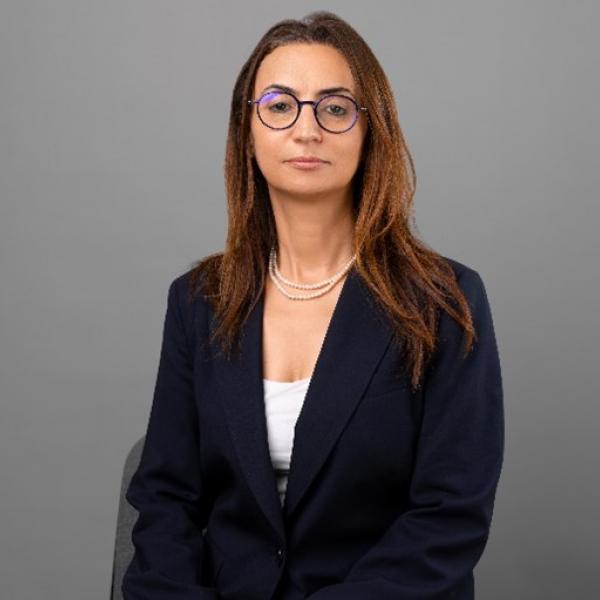
Mona Laroussi
Mona Laroussi
Director of the Institute of the Francophonie for Education and TVET (IFEF)
(in-person)
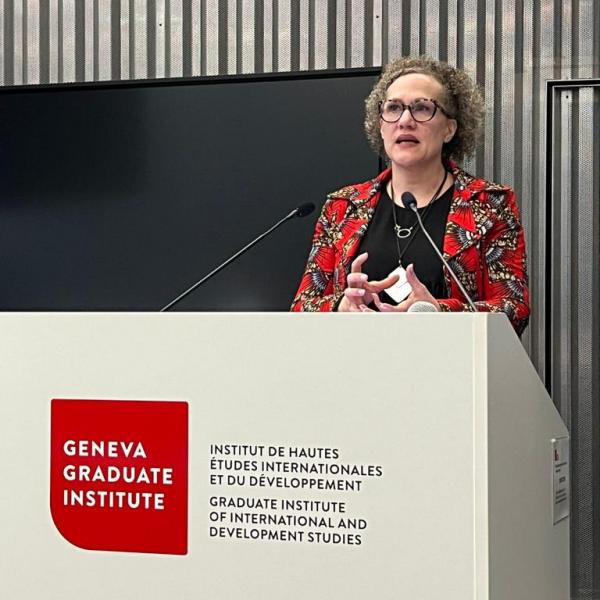
Moira Faul
Moira V. Faul
Executive Director of NORRAG
(in-person)
Anna D'Addio
Anna Cristina D'Addio
Global Education Monitoring Report UNESCO
(in-person)
Tonee Ndungu
Tonee Ndungu
CEO and Founder of Kytabu
(in-person)
12:30-14:00

Lunch break

During the lunch break, in-person attendees can join two practical sessions hosted by TechnofuturTIC and VVOB.

More information

14:00-15:00

Parallel sessions I

Session A | Empowering Learning and Inclusion: STEAM Education and Digital Access in Action
Join this practical session where EdukoMondo and Close the Gap will showcase their innovative approaches to education and digital inclusion. Discover how EdukoMondo is revolutionising STEAM education through blended and flipped courses that go beyond technology to equip teachers and students with the skills they need to succeed. Explore Close the Gap’s Digitruck Programme, which brings digital skills and opportunities to remote communities, with a special focus on supporting women and girls in Sierra Leone.
More information

Session B | From Classroom to Work: Integrating Coding Skills and Labour Market Tracking in Rwanda

Join this session to explore two innovative approaches to education and labour market integration. VVOB in Rwanda will share key lessons from the Scratc²h project, which equips secondary school teachers with the skills to integrate coding into STEM and ICT lesson plans and establish after-school coding clubs. Additionally, IFEF and APEFE in Rwanda will present the Inserjeune app, a tool for measuring TVET graduates' labour market integration and employer satisfaction. The app provides real-time insights into job opportunities and aligns TVET training with labour market demands.

More information

15:00:16:00

Parallel sessions II

Session C | Transforming Education: ICT for Inclusive Learning and EdTech solutions for All

Join this session where Humanity & Inclusion and UNICEF will showcase their innovative approaches to educational inclusion and EdTech solutions. Discover how ICTs can support the inclusion of children with disabilities by providing accessible alternatives to non-inclusive educational content, illustrated through a project in Lebanon. Explore UNICEF’s EdTech for Good Framework, designed to help decision-makers efficiently navigate and assess EdTech tools that are safe, impactful, and scalable, ensuring they meet diverse educational needs and contexts worldwide.

More information

Session D | Innovative Digital Education: Case Studies on Skills, Infrastructure, and Access
Three organisations will share inspiring educational projects implemented across various countries in this session. Enabel takes us to Uganda, Burkina Faso, and Palestine to showcase the different educational pathways they have been supporting to strengthen digital skills. Afrodidact highlights its efforts in The Gambia, focusing on integrating ICT into primary schools. Finally, the MSF Academy introduces its innovative approaches to digital learning at the hospital in Bangui, Central African Republic. These projects aim to enhance digital skills, improve infrastructure, and address connectivity challenges in remote areas. From Enabel’s digital skills support adapted to the local context to Afrodidact’s lessons learnt and MSF Academy’s creative use of digital tools, these presentations provide valuable insights into the future of digital education and skills.
More information

16:00-16:30

Closure

© GPE/Luis Tato