Educaid.be International Conference 2025
Session C | Collective action for training, a lever for the development of rehabilitation
15:30-17:00 (Brussels time)
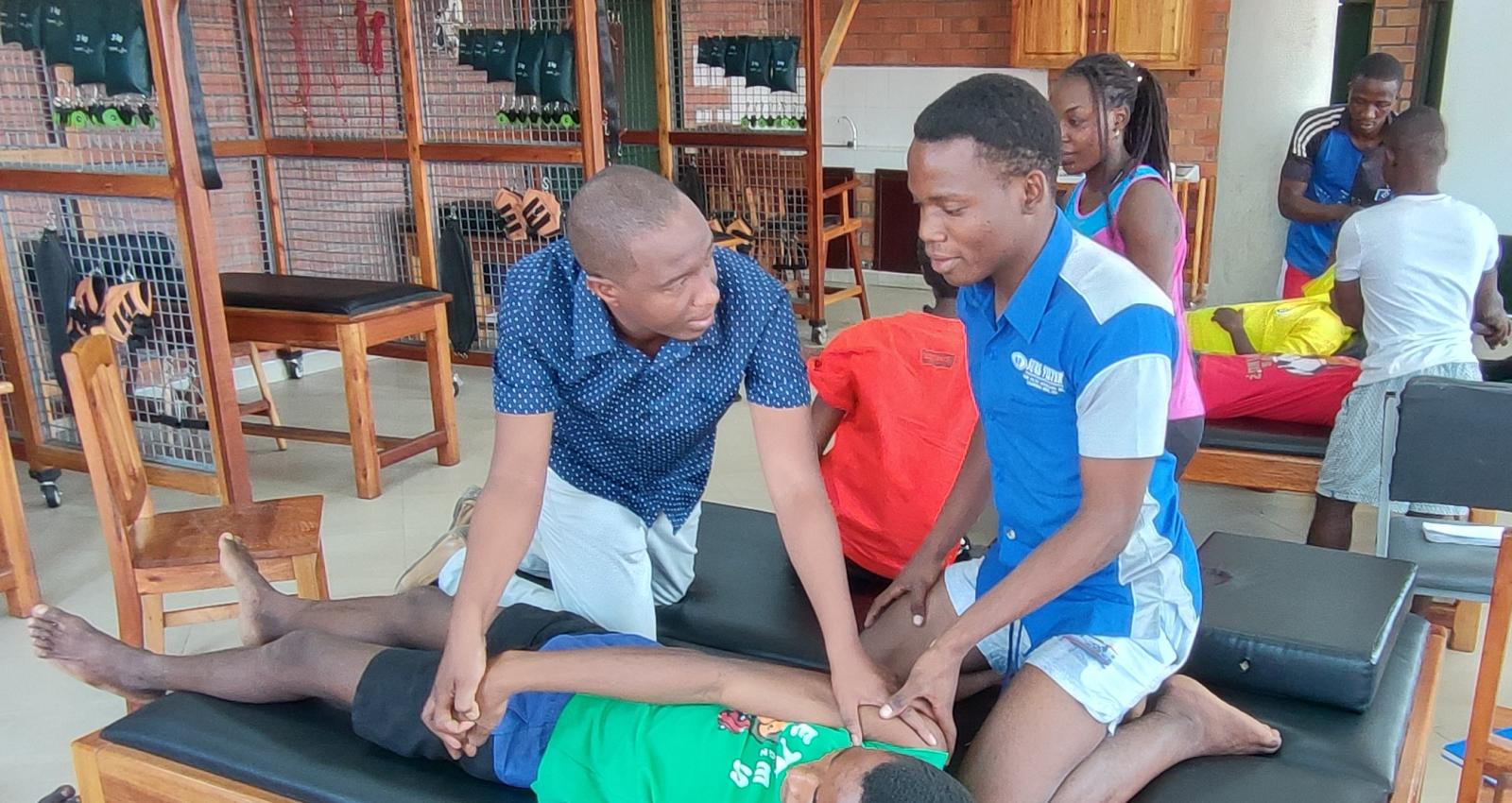
Rehabilitation is a fundamental right to health. It is an essential component of continuity of care and universal health coverage, alongside promotion, prevention, treatment and palliative care. Rehabilitation is necessary at every stage of care, in all health services and for all health problems, including after trauma or in emergencies.
Yet, 2.4 billion people require rehabilitation services, and only a minority have access (WHO 2023). To operationalize the WHO “Rehabilitation 2030” strategy – which aims to strengthen rehabilitation in health systems through political leadership, integration into care pathways, workforce development, availability of assistive technologies, and evidence generation – initial, continuing, and specialized training of professionals is a decisive lever.
Cross-sectoral action (health × education) and multi-stakeholder cooperation are at the heart of this dynamic, in line with Belgium's 2024-2029 priorities in global health, science diplomacy and knowledge sovereignty.
This practical session is organised by APEFE. This session will bring all our speakers together in Brussels.
PROGRAMME
Welcome & Introduction
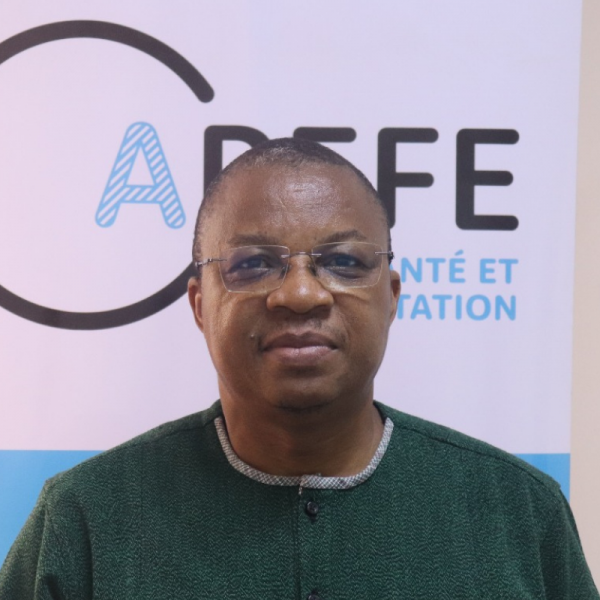
The role of governments – The WHO’s global strategy “Rehabilitation 2030” and Burundi’s experience in training healthcare personnel

The role of universities – Academic cooperation and multi-stakeholder partnerships as catalysts for skills and innovation

The role of international NGOs – Multi-stakeholder collaboration on training, from emergency response to development

The role of field experience – The journey of a teacher, clinician, and researcher towards evidence-based education

Discussion with the audience on multi-stakeholder cooperation