Educaid.be International Conference 2024
Session C | Transforming Education: ICT for Inclusive Learning and EdTech solutions for All
15:00-16:00 (Brussels time)
Due to the humanitarian situation, the Humanity & Inclusion team in Lebanon is unable to present during this session. As a result, MSF Academy will replace HI and join Session C instead of Session D. Thank you for understanding.
Join this session, where Humanity & Inclusion and UNICEF will showcase their innovative approaches to educational inclusion and EdTech solutions. Discover how ICTs can support the inclusion of children with disabilities by providing accessible alternatives to non-inclusive educational content, illustrated through a project in Lebanon. Explore UNICEF’s EdTech for Good Framework, designed to help decision-makers efficiently navigate and assess EdTech tools that are safe, impactful, and scalable, ensuring they meet diverse educational needs and contexts worldwide.
PROGRAMME
CASE 1 | Capacity building and use of ICTs for inclusive education in Lebanon
In non-inclusive schools, children with disabilities cannot access certain educational content and activities. ICTs can help make schools more inclusive by providing alternatives to non-inclusive educational content. By participating in this session, you will learn about the potential of ICTs in the educational inclusion of children with disabilities, illustrated through a practical example from a project implemented by Humanity & Inclusion and its partners in Lebanon.

CASE 2 | Selecting the right EdTech tools for teaching and learning
The growing landscape of EdTech tools makes navigating and evaluating the vast array of options difficult. The UNICEF Global Learning Innovation Hub has developed the EdTech for Good Framework that includes rigorous standards to assess EdTech tools. UNICEF is using the Framework to curate EdTech tools from around the world to identify safe tools that have a high impact on student learning outcomes and skills development, are adaptable to country contexts, and are scalable and inclusive. These EdTech tools will be showcased in the Learning Cabinet, an online platform accessible to the public that helps decision-makers, from Ministries of Education to educational institutions and organisations working in education, identify EdTech tools that could apply to their contexts.

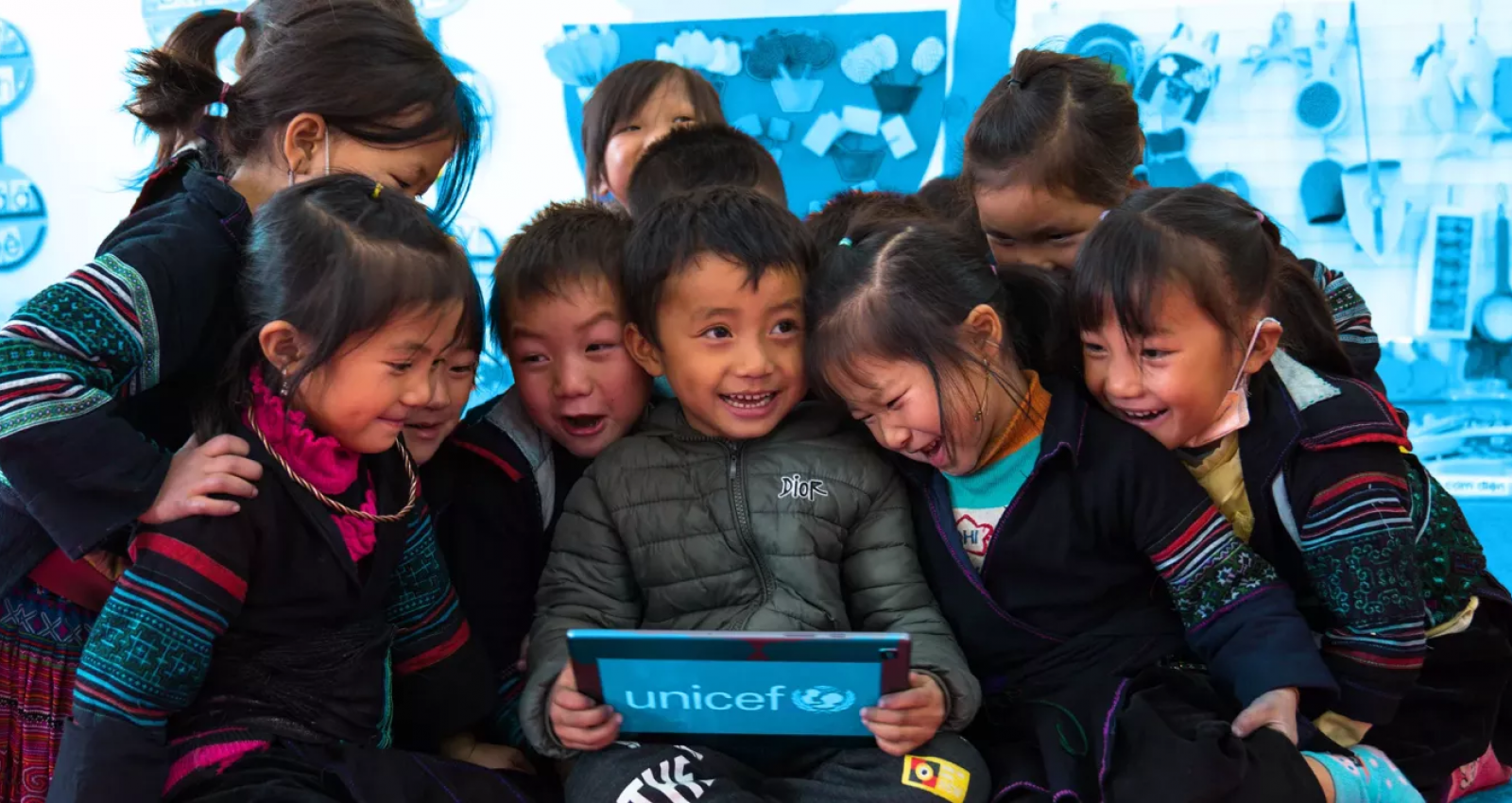
Photo credit: ©UNICEF