Educaid.be International Conference 2026
Learning Lab D | Classrooms as Safe Spaces: Bridging Education and MHPSS in Emergencies is Imperative
15:00 - 16:30 (Brussels time)
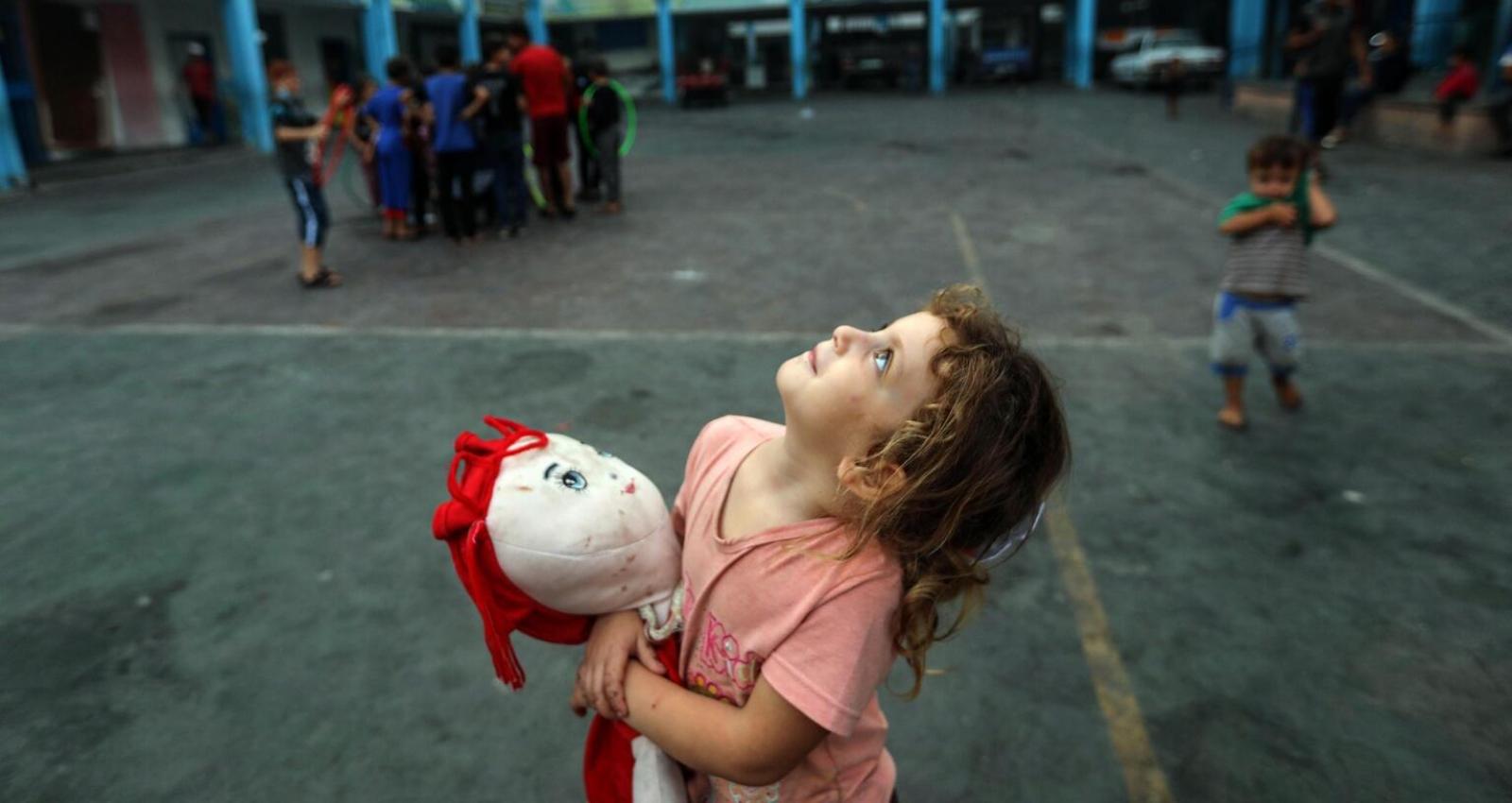
Crisis situations, including armed conflict inducing among others forced displacement, profoundly affecting children’s lives. Separation from caregivers, disruption of daily routines and exposure to violence place heavy emotional and psychological burdens on children, with potentially life‑long consequences for their well-being. Evidence shows that many mental health challenges begin early in life, making timely and appropriate support during crises essential.
Today, crises are not only more frequent but also increasingly protracted. In long‑lasting crisis contexts such as in the State of Palestine and in Sudan, years of conflict mean that entire generations of children grow up with continuous exposure to stress, loss and uncertainty, dramatically increasing the need for sustained Mental Health and Psychosocial Support (MHPSS). This reality challenges short‑term, project‑based responses and calls for approaches that bridge humanitarian response, development and peacebuilding efforts.
In this context, education can play a critical protective and transformative role. Schools and learning spaces are not only places for learning, but also key environments for stability, social connection and psychosocial support over time. Anchored in a nexus approach, this practical session explores the links between education and MHPSS in crisis and protracted crisis settings. It will examine how MHPSS can be meaningfully integrated into education systems at scale, and how sustained access to learning can contribute to children’s mental wellbeing and resilience before, during and long after emergencies.
Session objectives:
This session explores Mental Health and Psychosocial Support (MHPSS) as a system‑level priority across humanitarian, development and peace efforts, with a focus on education in crisis and protracted crisis settings. Using a humanitarian–development–peace nexus lens, it examines how education‑based MHPSS can move beyond short‑term response to support durability, scale and system strengthening.
Drawing on practical examples and field experience, the Learning Lab invites participants to rethink MHPSS as a core function of education systems, embedded in policies, workforce development, financing and service delivery, before, during and long after crises.
SPEAKERS INFO




Photo credit: © UNICEF/UNI448738/Ajjour