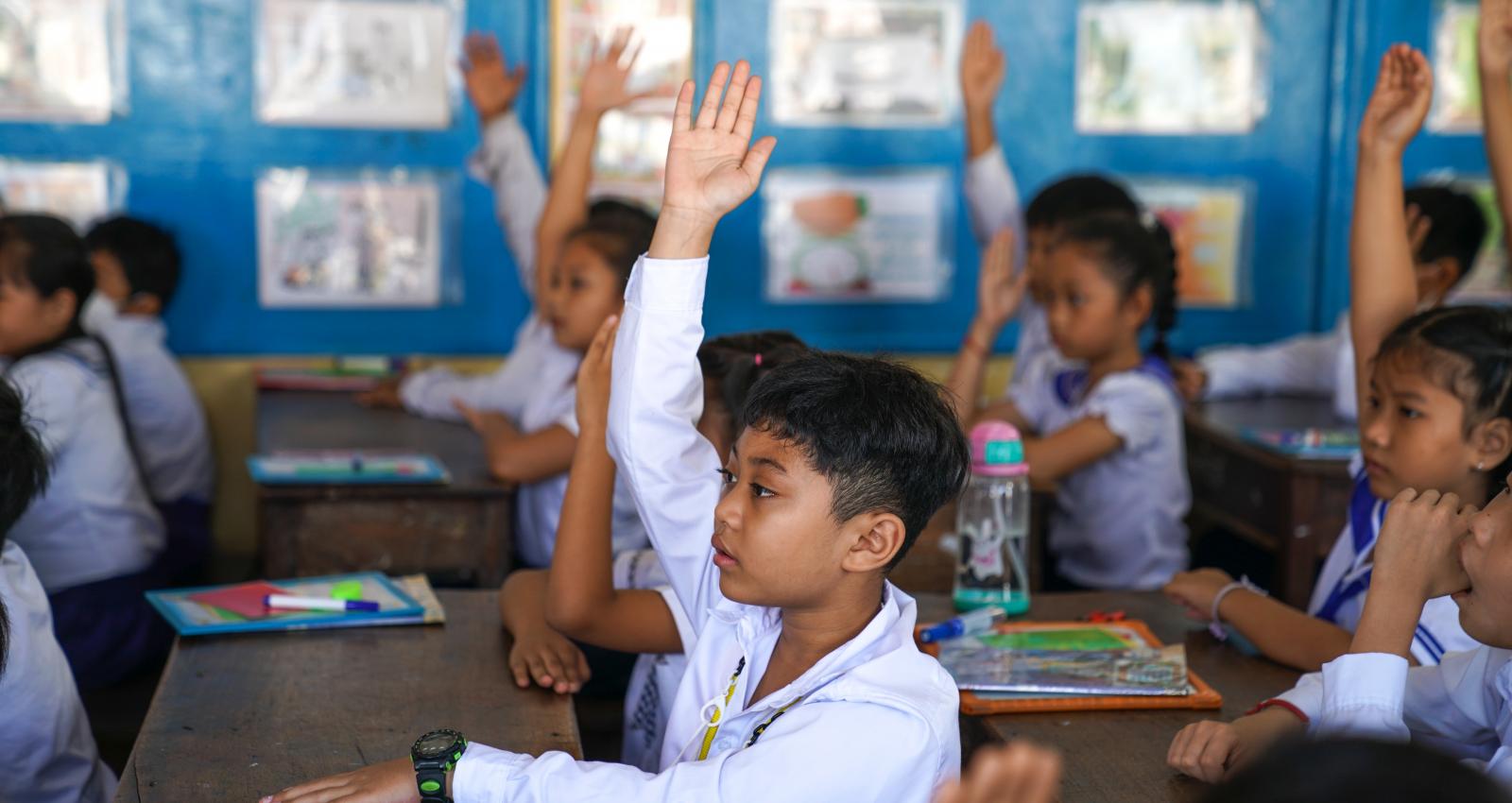
Cambodia is grappling with profound challenges as climate change increases temperatures, and unpredictable weather patterns profoundly affect daily life and the educational sector. The Climate Change-Resistant Schools Project has been conceived as a proactive measure to create a sustainable and resilient educational environment to withstand these environmental adversities. This project is built on three key pillars: enhancing infrastructure, providing STEM education and teacher training, and fostering community involvement. Integrated within a broader Content and Language Integrated Learning (CLIL) framework, the initiative aims to tackle climate change locally and globally through a holistic, education-centric approach.

During this session, speakers Son Nat and Mark Desmaele from TDSO, will explore opportunities for partners in the North and South to collaborate on this topic. They will dive into the details, explore whether it is applicable in other regions too and how cooperations can be established.
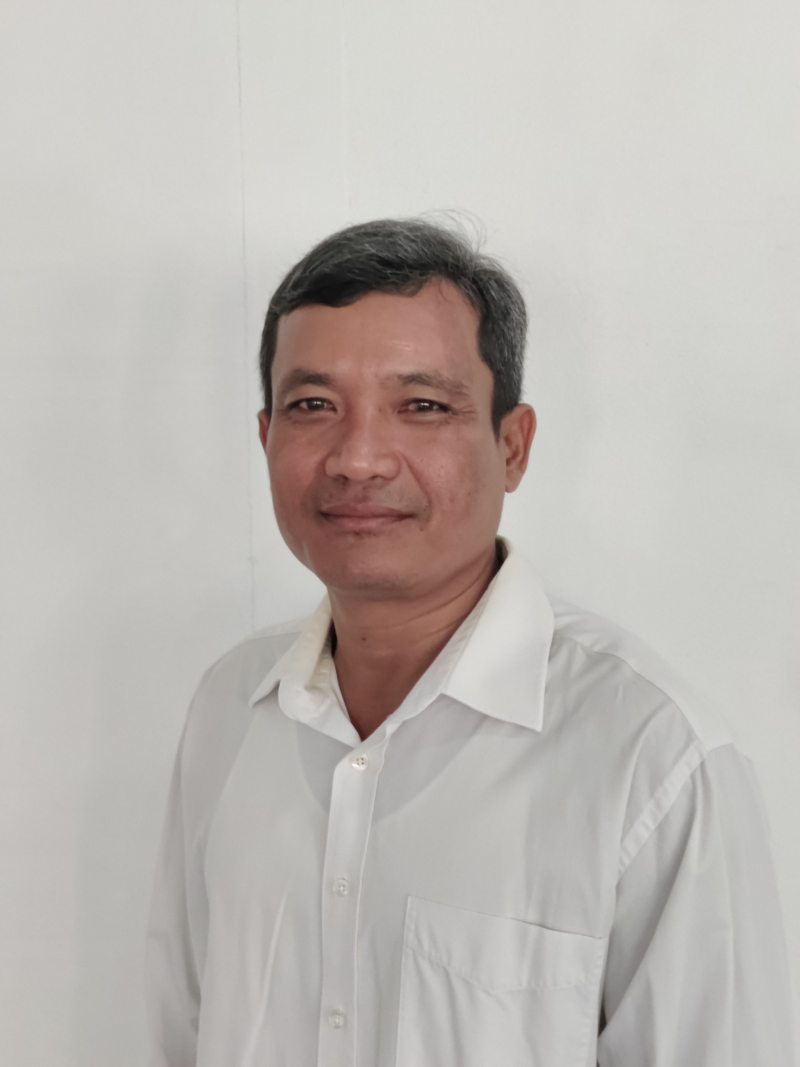
Son Nat - TDSO

Son Nat

Son Nat is the Executive Director of TDSO in Cambodia. Nat holds a Master's Degree in TESOL from the University of Canberra and has extensive experience as a lecturer at various universities in Cambodia (PUC, Meanchey University ...)

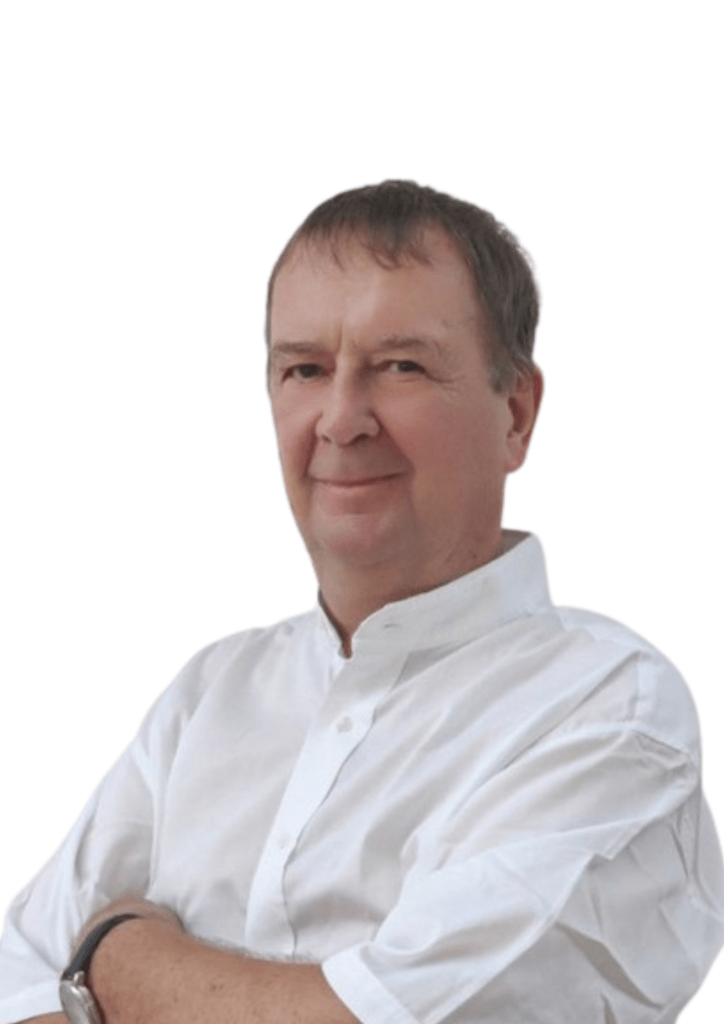
Mark Desmaele

Mark Desmaele is one of the organisation's co-founders. After over 30 years in international companies as a logistics manager, head of corporate business data and processes, and CIO, he decided to turn his life around and dedicate his experience to supporting educational projects in Cambodia.

Mark Desmaele - TDSO
Peter Stremus

Peter Stremus

Founder EdukoMondo

Peter Stremus will be the moderator of this Connect&Learn. During his international career in marketing and skills development at high-tech global companies, Peter witnessed from the front seat the rapid but unequal digitisation of our world. In 2019 he founded EdukoMondo, a tech-for-good start up aiming at bringing the promises of digital education to students and teachers in remote areas. He is now focused on how technology can help to bridge the widening gap between people who have access to education and those who don’t.